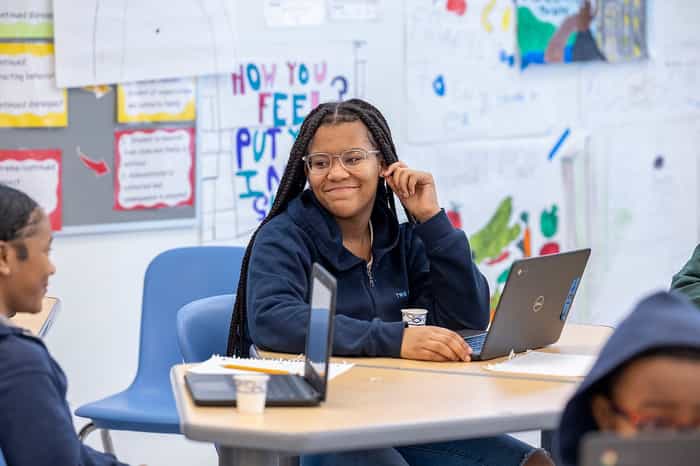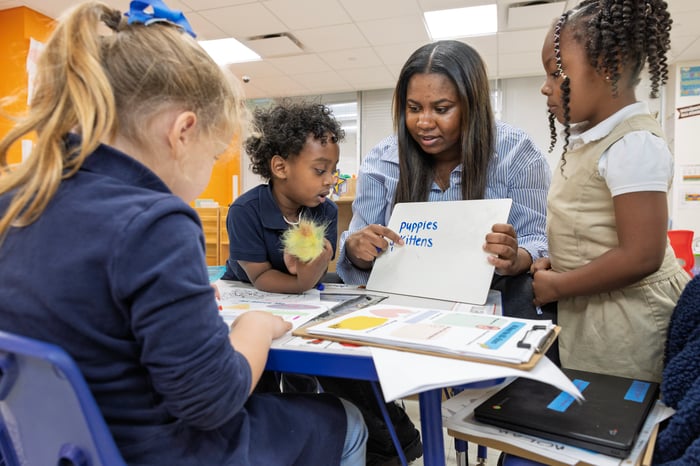
The quality of a family’s experience with a school can shape their entire educational journey. For many families, especially those navigating special education for the first time, the process can feel overwhelming. Schools have a powerful opportunity to change that narrative by building trust, clarity, and genuine partnership from the start.
Family engagement is one of the most transformative forces in a child’s educational journey. When families feel understood, invited in, and genuinely valued as partners, schools become more responsive, staff experience stronger collaboration, and students develop deeper belonging and greater academic success. As schools work to strengthen their practices, reflection tools such as the Family Engagement Needs Assessment can help teams identify where strong foundations already exist and where deeper relationship-building is needed. One of the core recommendations from this tool is for schools to set clear expectations for staff around family engagement, so that partnership practices are consistent across classrooms and grade levels.
Below are six practical, human-centered tips that help schools build authentic partnerships, elevate family voice, and strengthen every stage of the educational and IEP process.
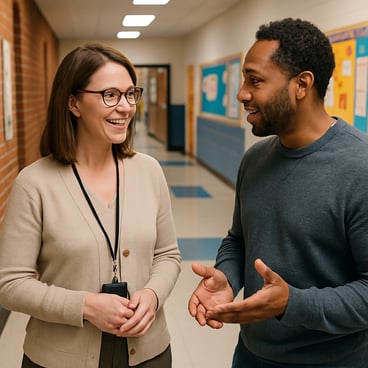
1. Lead with Empathy and Curiosity
Families come with rich histories, cultural practices, values, and hopes for their children. Showing authentic interest in who they are builds trust long before conversations about services or supports begin.
Strong engagement starts with:
- Asking open-ended questions that help you learn more about the child and family
- Listening without assumption or judgment
- Showing presence through body language, tone, and undivided attention
- Reflecting on your own biases or assumptions
- Finding common ground or shared experiences
When educators show authentic warmth and curiosity, families feel comfortable partnering in ways that are natural and meaningful.
2. Communicate Clearly, Consistently, and in Ways That Honor Family Preference
Communication is the foundation of meaningful partnership. Families want to understand what is happening, why decisions are made, and how they can support their child.
High-quality communication includes:
- Asking families how they prefer to communicate (text, email, phone, interpreter, etc.)
- Using simple, jargon-free language to explain processes and next steps
- Asking follow-up questions to deepen clarity and understanding
- Being aware of non-verbal communication during meetings
- Providing visual supports or summaries families can revisit later
When communication feels accessible, respectful, and predictable, families feel more confident and included.
3. Center Family Voice Throughout the IEP Process
Family voice brings context, insight, and cultural knowledge that no assessment can capture. Incorporating it meaningfully strengthens the IEP and the relationship. For schools navigating the evaluation and eligibility journey with families, the Tips for Supporting Families Through the Identification Process offers guidance for making each step clearer, more transparent, and more empowering. Remember that families are the experts on their children, and their insights offer essential context no assessment can capture.
Centering family voice means:
- Beginning meetings by asking how the child is doing at home
- Lifting up family-identified strengths, interests, and cultural routines
- Asking families what goals matter most to them
- Inviting families to shape supports in ways that honor identity
- Checking for feeling, understanding, and clarity throughout
- Asking what would make the meeting feel successful
When families can see their perspectives shaping the plan, trust strengthens and the IEP becomes more relevant and effective.
4. Make the Special Education Process Transparent and Human-Centered
For many families, the evaluation and IEP process can feel confusing or intimidating. Schools can ease this experience by offering clarity and compassion at every stage. Resources like Centering Family Voice in the IEP Process help educators elevate parent perspectives and ensure families play a meaningful role in shaping the IEP.
Helpful practices include:
- Making sure each person introduces themselves and their role and clearly stating the purpose of the meeting at the start.
- Explaining the process, timelines, and purpose upfront
- Previewing meetings and offering informal check-ins beforehand
- Acknowledging emotions families may bring into the process
- Providing interpreters or translated materials when needed
- Encouraging families to ask questions and share concerns
- Using simple visuals or one-pagers to outline each step
Transparency lowers anxiety and helps families feel like informed, empowered participants.
5. Equip Families with Tools That Empower Them at Home and at School
Families want to support their children and participate confidently. Providing resources and tools helps make that possible.
Educators can strengthen engagement by:
- Teaching key terms and processes in clear, family-friendly ways
- Sharing community resources, guides, or support groups
- Offering practical strategies that can be used at home
- Following up to see if supports feel doable and helpful
- Creating two-way communication loops rather than one-way updates
Empowered families feel confident advocating for their children and contributing meaningfully to decisions.
6. Stay Connected: Engagement Is Ongoing, Not One-and-Done
Meaningful engagement is built through consistency and follow-through over time.
Sustained partnership includes:
- Routine check-ins about progress or concerns
- Multiple opportunities for families to share input
- Returning to previous conversations to show continuity
- Celebrating successes and growth
Connection over time strengthens trust and supports student success.
 Explore the Tools
To help deepen and sustain meaningful family engagement, we’ve included three practical resources you can use right away in your school or district. Click below to review each one and consider how it can strengthen your communication, collaboration, and partnership with families.